
Clothing for Sensitive Skin and Chemical Sensitivities
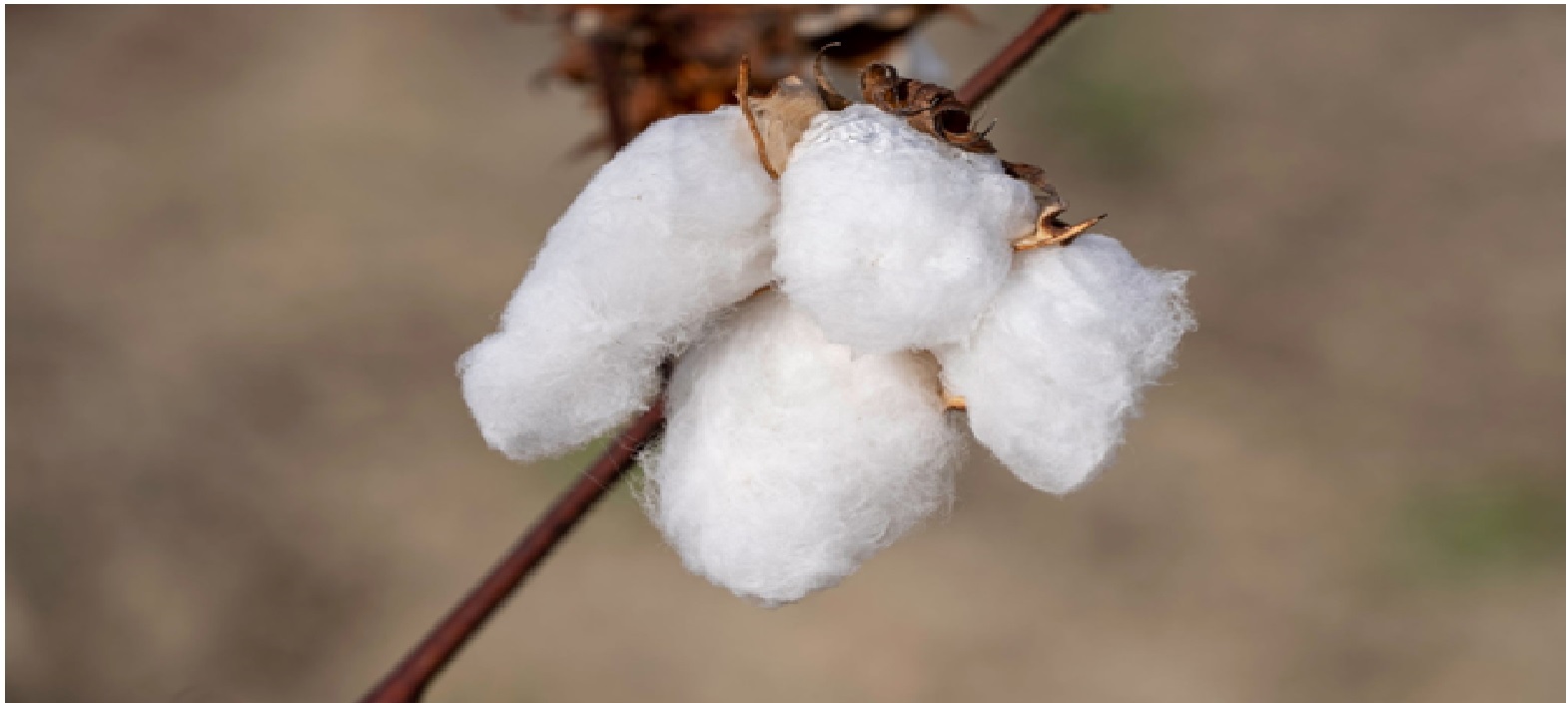
Natural Egyptian cotton. Minimal processing. A calmer experience for your skin.
For some people, clothing is not just about comfort—it’s about tolerance.
If you live with multiple chemical sensitivities (MCS), fabrics, dyes, and finishes can trigger discomfort that others never notice.
We’ve listened carefully to customers who needed something simpler.
Start with Better Cotton. Add Less.
Our approach is simple:
- Use extra-long staple Egyptian cotton
- Knit it for softness and breathability
- Avoid unnecessary chemical processing
Our Natural Color garments are:
- Not dyed
- Not bleached
- Left close to their original state
For sensitive individuals, fewer inputs often mean fewer reactions.
WHY FABRIC CAN IRRITATE
Why Some Fabrics Irritate Sensitive Skin
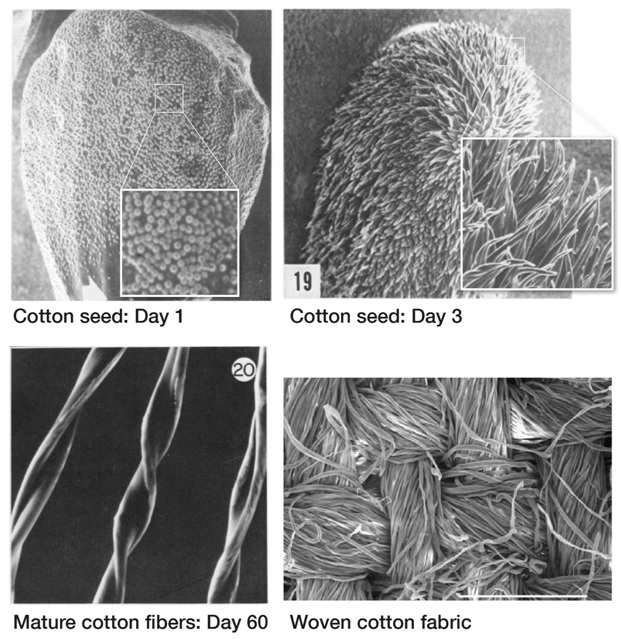
When fibers are shorter or irregular, more fiber ends come into contact with the skin—creating friction that can feel like irritation over time.
Egyptian cotton fibers are longer and smoother. This results in fewer contact points and a more consistent, calm interaction with your skin.
Why Undyed Cotton Matters for Sensitive Skin
Even high-quality fabrics can become irritating once dyes and finishes are introduced.
Our customers often tell us they react to:
- Fabric dyes
- Fragrances
- Chemical finishes
For many, Natural Color becomes the most reliable option.
What We’ve Heard from Customers
We’ve heard from individuals whose sensitivities developed over time—sometimes from environmental exposure, sometimes after medical events.
- One customer found relief after years of discomfort by switching to natural cotton and washing simply with baking soda and vinegar before first wear.
View our washing method for sensitive skin - Another became highly reactive to dyes and fragrances after a medical event. Natural, untreated fabric became essential.
- Women recovering from surgery have shared that softer, untreated fabric made daily wear more manageable.
These are not isolated stories. They reflect a pattern we’ve come to respect.
Fabric That Behaves Calmly on the Skin
Because our cotton is:
- Combed for smoothness
- Knit for flexibility and airflow
- Left untreated
It doesn’t fight your skin. It moves with you, breathes with you, and stays consistent throughout the day.
Also Helpful for Sensory Sensitivities
Some parents have found that our youth t-shirts work especially well for children who are sensitive to how clothing feels.
- Smooth, even texture
- No harsh finishes
- Soft structure
For children who are particular about fabrics, this can make daily routines easier.
Simple Care for Sensitive Skin
- Wash with baking soda
- Rinse with white vinegar
- Skip detergents and softeners
View full washing instructions
Try Natural Cotton, and See How It Feels
If your skin has been asking for something simpler, calmer, and more consistent, this may be worth trying.