Fabric That Feels Easy — And Stays That Way
Most shirts feel good at first, then slowly become something you notice. Ours are made to do the opposite. Using long-staple Egyptian cotton, finely combed and knit for movement, the fabric stays smooth, breathable, and comfortable against your skin—hour after hour, wash after wash.
See the Micro-Difference
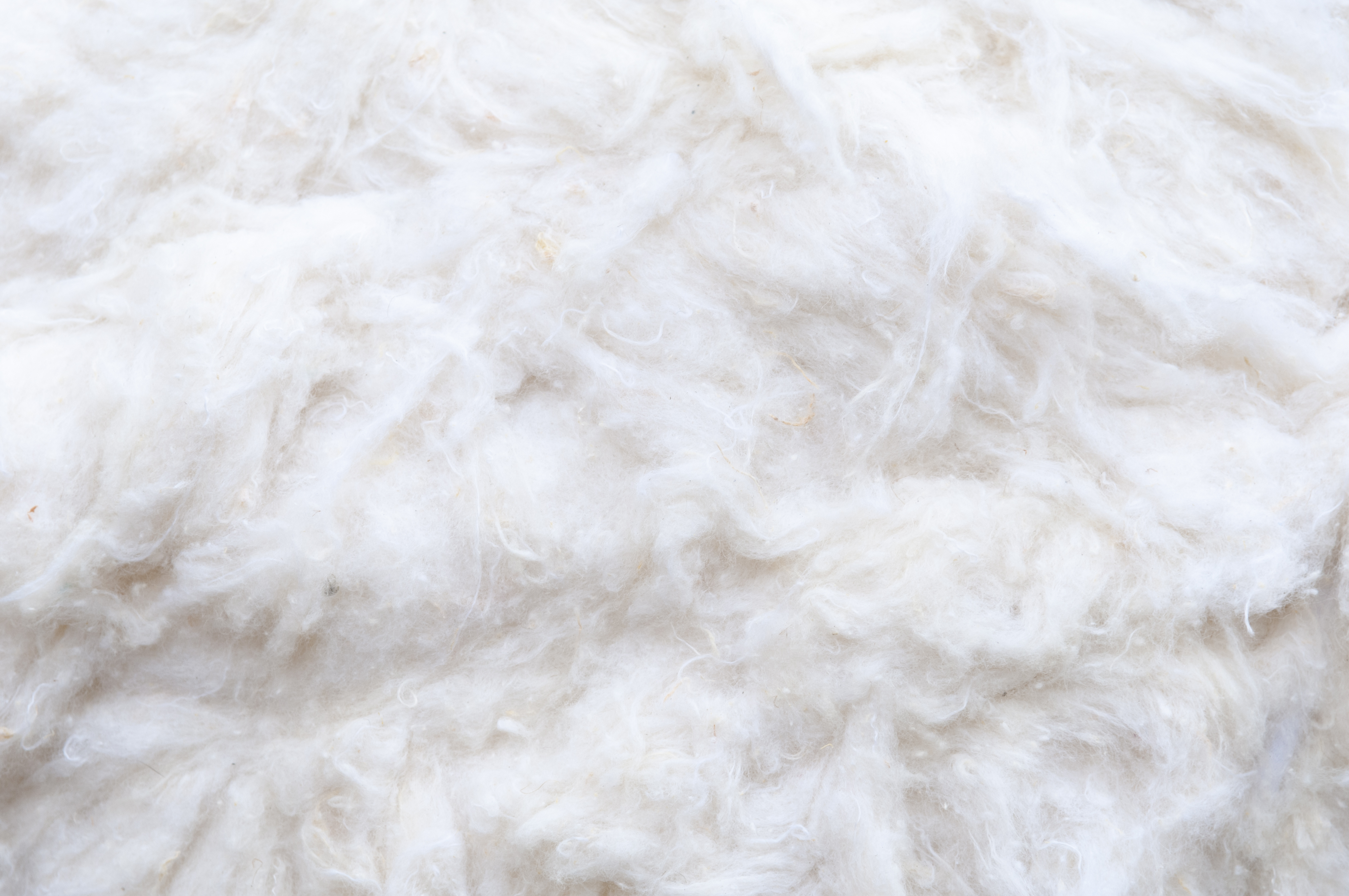
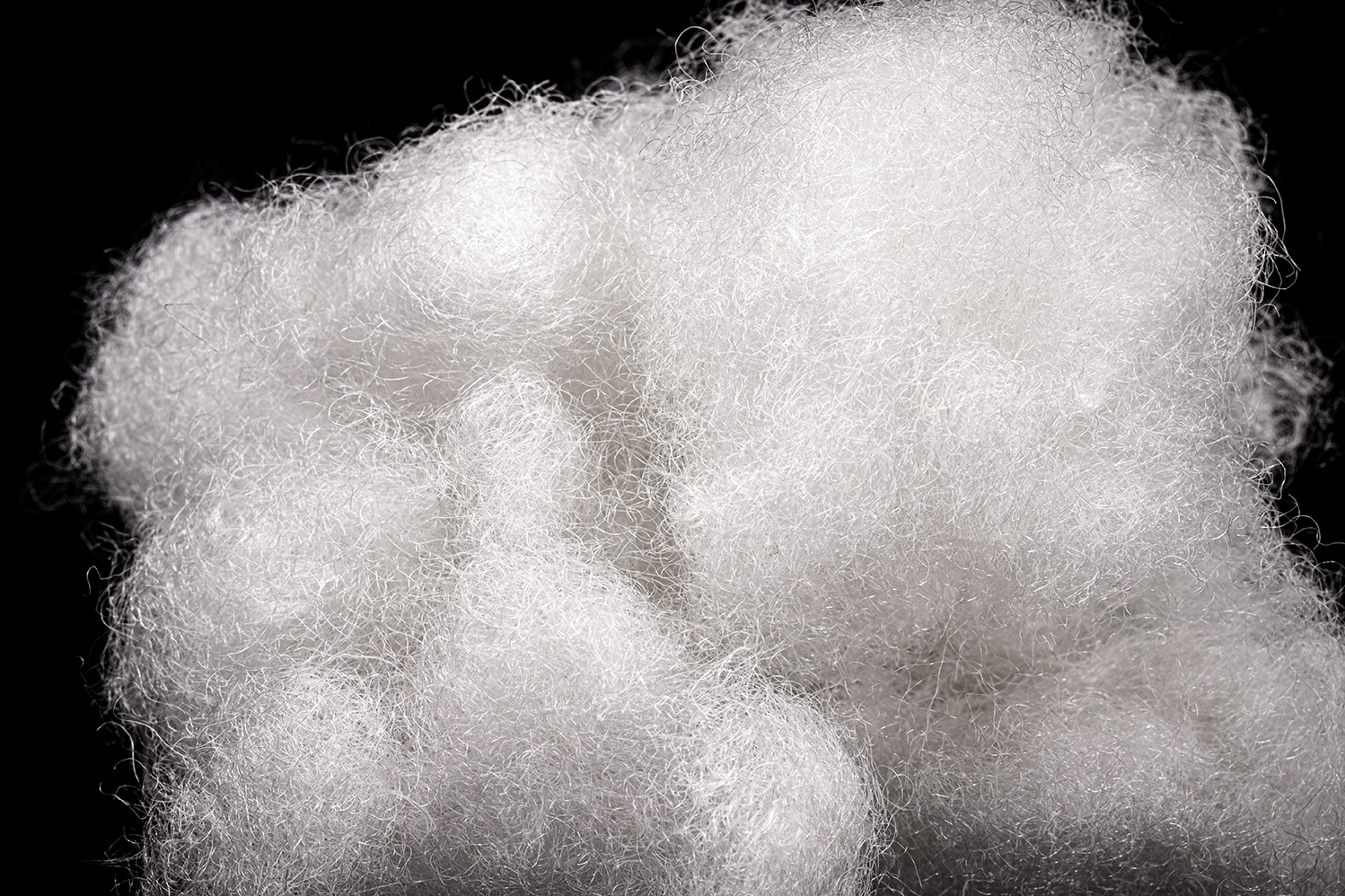
Egyptian Cotton
Long, continuous, and smooth. Because the fibers are nearly twice as long as standard cotton, there are 50% fewer "ends" touching your skin.ic.
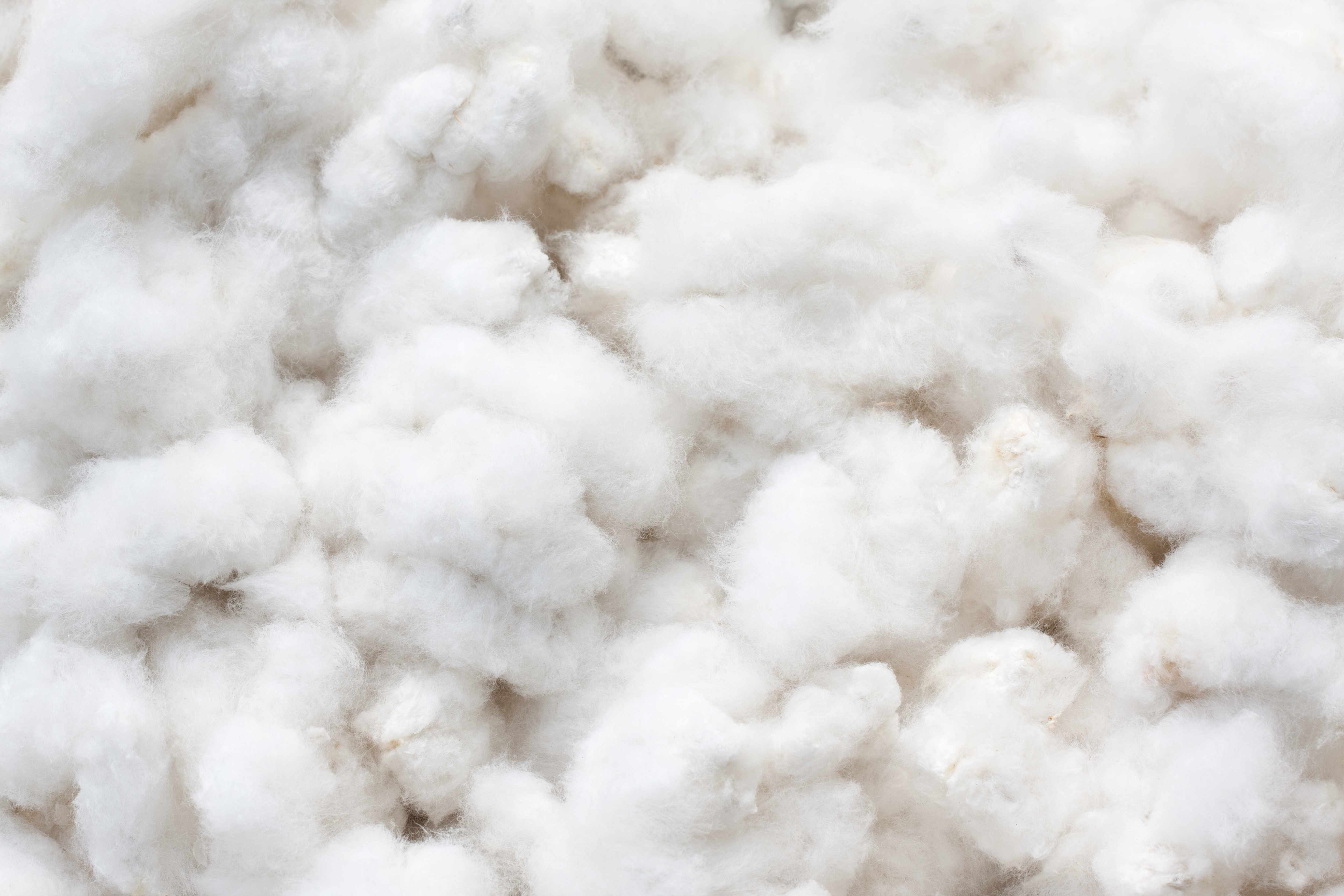
Standard Cotton
Notice the frayed, jagged ends. These are "micro-stressors" that poke the skin, causing redness and the "end of day" fatigue.
Polyester/Synthetics
Uniform but non-absorbent. Like wearing a fine mesh of plastic water bottles.
Nature's Engineering vs. Synthetic Chemicals
| Feature | Egyptian Cotton (Natural Performance) |
SYNTHETIC WICKING (Chemical Coatings) |
|---|---|---|
| Breathability | Naturally porous fibers allow heat to escape the skin. |
Traps a layer of warm air; "wicks" moisture but retains heat. |
| Odor Control | Naturally resistant; doesn't trap bacteria. |
Petroleum-based fibers are "oleophilic," meaning they lock in body oils and odors. |
| THE "HAND" | Smooth, long-staple silkiness. | Often feels "crunchy," static -heavy, or overly "plastic" against the skin. |
| AGING | Improves with every wash as fibers settle. | Technical coatings wash off; fabric loses its "performance" over time. |
Clothing Designed for Your Sensitive Skin
"The absence of awareness. When a fabric is truly right, you stop noticing what you are wearing. The most precise measure of sensory-friendly clothing is not a certification. It is the moment the wearer forgets they are wearing anything at all. Egyptian Cotton, free of synthetic finishing agents and surface friction, is designed to achieve exactly that."
- Especially Beneficial For:
- Sensitive skin and contact dermatitis
- Post-procedural and post-surgical recovery
- Neurodivergent sensory profiles (SPD, ASD, ADHD)
- Multi-Chemical Sensitivity (MCS)
- Those who simply refuse to compromise on comfort

Gold Seal Certified and Organic Certified
Both the Gold Seal certification and the GOTS certification processes examine all stages of the manufacturing process via formal audits by third party experts. The Gold Seal certification does DNA examination to make sure that the cotton is authentic Egyptian cotton. The GOTS certification examines all processes to make sure that they uphold the Global Organic Textile Standard. These tags guarantee authenticity.
What You’ll Notice When You Wear Egyptian Cotton?
- - Feels soft the moment it touches your skin
- - Doesn’t trap heat through the day
- - Stays smooth - no roughness building up
- - Keeps its shape, even after multiple washes


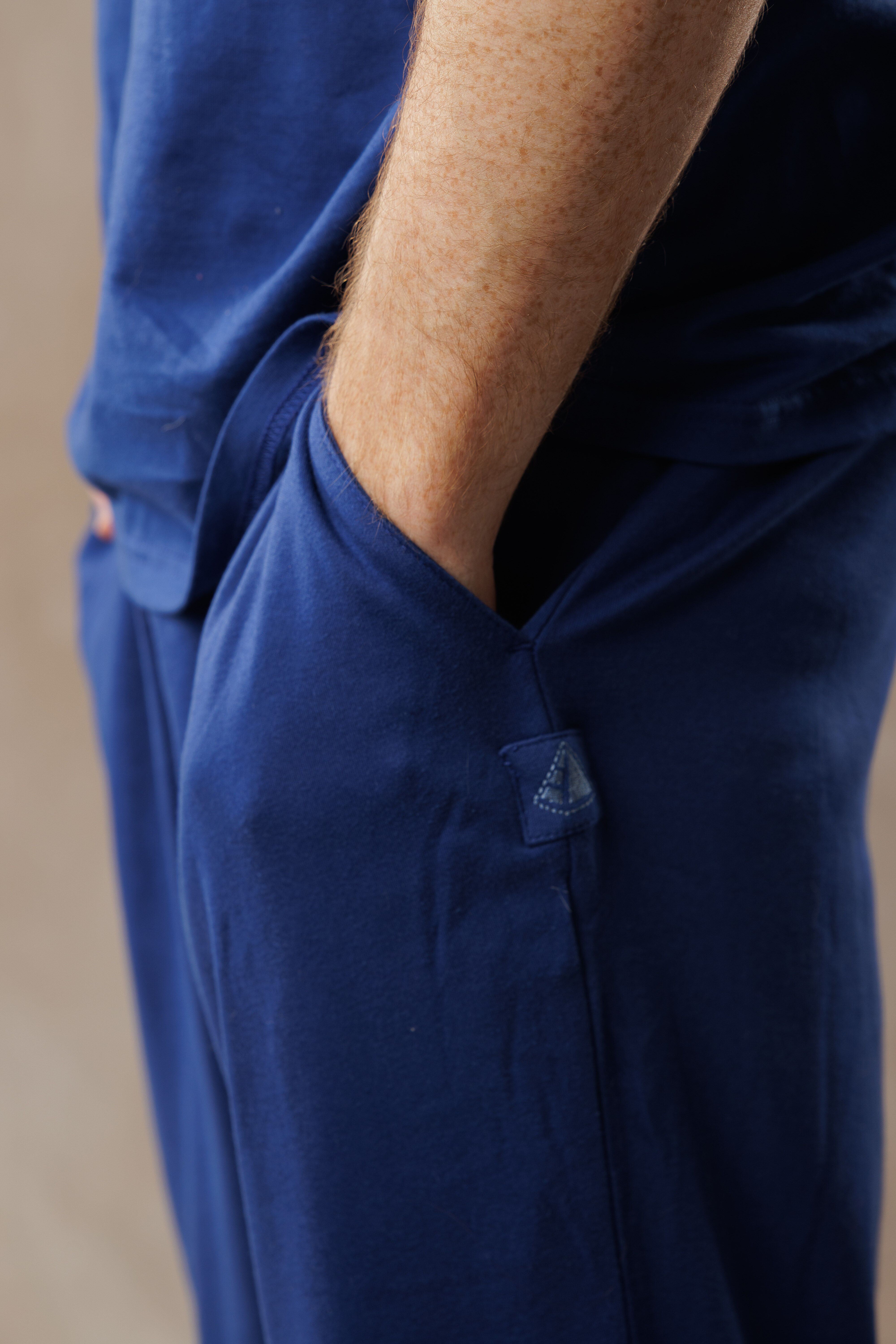
Egyptian Cotton
In 1977, Dr. Ibrahim Abouleish started the SEKEM Initiative on an untouched part of the Egyptian desert (70 hectares) 60 km northeast of Cairo. Using Biodynamic agricultural methods, desert land was revitalized and a striving agricultural business developed. Biodynamic farming has been maintained until this day. This is the farm and factory where our organic cotton clothing is made. The specie of cotton produces the strongest, silkiest cotton fibers and the weather with abundant water from the Nile nurtures the cotton plants to achieve their best, long fibers that feels so good against the skin.
Globally, less than 1% of all cotton qualifies as Giza-verified Egyptian cotton. Egyptian Cotton, the rarest designation within that category, accounts for under 0.5% of Egypt's annual exports. Its extreme-length fibers — a biological consequence of this specific soil-climate combination that cannot be replicated elsewhere — are the singular starting point for absolute skin health. Every garment you wear begins here.
Every production batch undergoes independent molecular testing by third-party laboratories, confirming the precise Gossypium barbadense genetic profile and geographic origin — not a claim, a certificate.
Extra-Long Staple Felt On Your Skin.
Egyptian Cotton fibers measure at least 36mm in length - nearly twice as long as the cotton in mass-produced cotton fabrics. That extra length matters more than most people realize. When a longer fiber is spun into yarn, it wraps around itself more times. More wraps means a tighter, stronger thread. And a tighter thread means almost no loose fiber ends poking through the surface. A long tighter thread also means a smooth finish without wrinkles.
In plain terms: the fabric has no rough edges. No tiny fiber ends poking at your skin. No polyester suffocation. No friction points that build into irritation over a long day. It does not scratch, it does not pill, and it does not get worse with washing. You simply wear it — and your skin has the tranquility it desires
Standard upland cotton averages 22–28mm fiber length with a uniformity index below 82 — producing a surface with thousands of microscopic touchpoints per square centimeter. Cotton feels better than the plastic of a synthetic fabric, but Egyptian cotton's long sinuous silky fibers feel even better.
Note: shorter-staple cotton wrinkles more. The extra-long fibers of Egyptian cotton do not have crunchy wrinkles. If taken out of the dryer before wrinkles form, then you will not have wrinkles.